
Industry
Castings for marine applications
In short
Seawater is one of the most corrosive media a casting faces. H.J. MetalCraft supplies marine customers with castings in stainless steel, duplex and super duplex steels and nickel-copper alloys, up to 180 kg each, raw or machined to drawing.
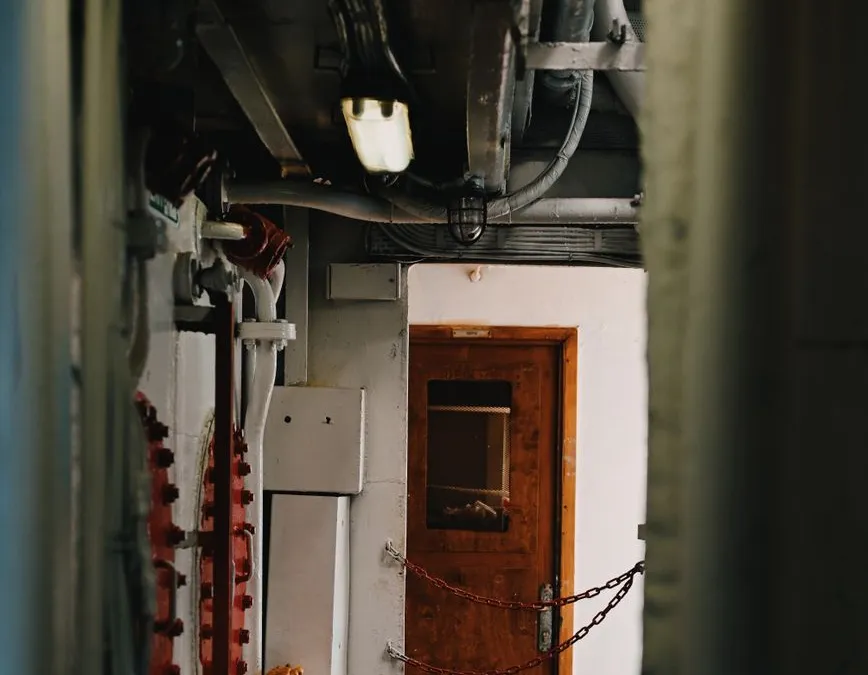
Why marine castings are different
Seawater is full of chlorides, which cause pitting, crevice corrosion and stress-corrosion cracking in ordinary stainless steels. Flow adds erosion, and mixed metals in one system add galvanic corrosion. A marine casting therefore has to be made in the right alloy, to tight chemistry, and heat-treated so that its corrosion resistance is not lost.
Typical marine castings
Across the industry, castings in seawater and shipboard service include:
- Pump casings, covers and impellers for seawater, ballast and firewater systems
- Valve bodies, bonnets and strainers
- Flanges, fittings and housings
We cast these to customer drawings; send yours with the service conditions.
Choosing the alloy
| Alloy | Standard | Why it is used at sea |
|---|---|---|
| CF8M (cast 316) | ASTM A351 / A743 | Good general corrosion resistance; limited in warm seawater |
| Duplex 4A (2205 type) | ASTM A890 / A995 | High strength, good chloride resistance |
| Super duplex 5A, 6A | ASTM A890 / A995 | For seawater and firewater systems |
| Monel (M35-1) | ASTM A494 | Nickel-copper alloy with long service in seawater |
See our duplex, stainless and nickel-alloy guides.
Process control
Duplex and super duplex grades depend on nitrogen, which our CCD spectrometer measures along with up to 32 elements in ferrous alloys. Castings are solution-annealed in our bogie furnace and quenched in a 14,000-litre agitated tank, then checked by dye penetrant and radiography as specified.
Frequently asked questions
Which alloys do you cast for seawater service?
Stainless steels such as CF8M, duplex 4A, super duplex 5A and 6A, and nickel-copper Monel (ASTM A494 M35-1), up to 180 kg per piece.
Is CF8M stainless good enough for seawater?
It can pit and crevice-corrode in warm or stagnant seawater. For continuous seawater service, duplex, super duplex or a nickel-copper alloy is usually specified.
Do you control nitrogen in duplex castings?
Yes. Our CCD spectrometer measures nitrogen in ferrous alloys, which is essential for duplex and super duplex grades.