
Materials
How to choose a casting material
Carbon, alloy, heat-resistant, stainless, duplex or nickel? Four questions about corrosion, temperature, strength and cost will narrow the choice quickly.
· H.J. MetalCraft technical team
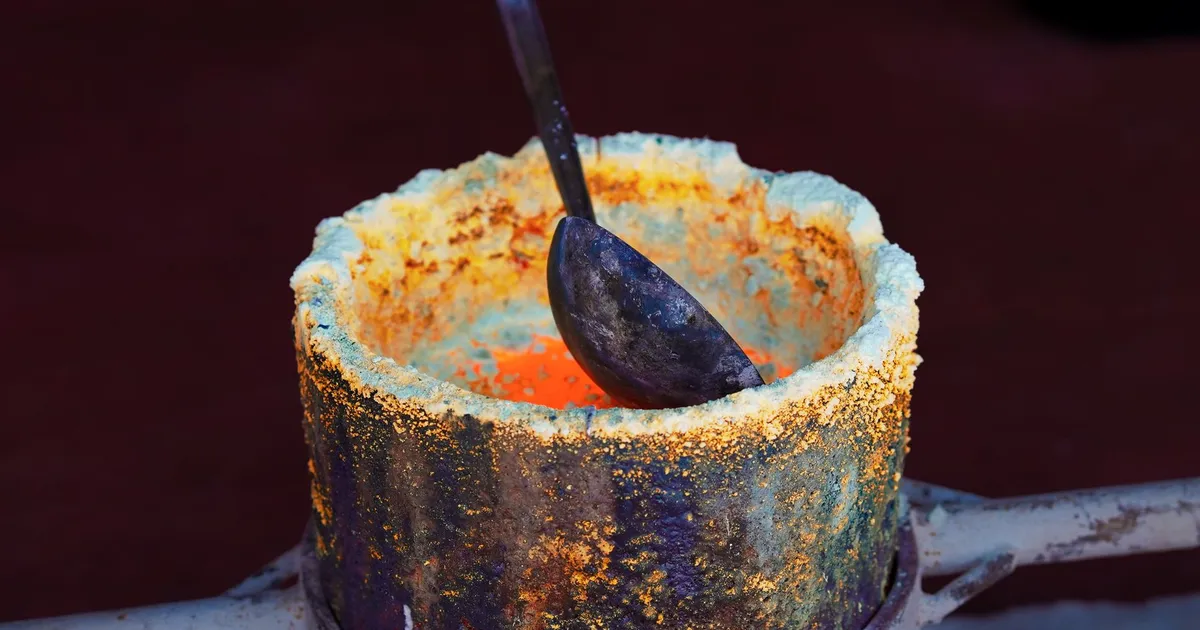
Choosing the alloy is the most important decision in specifying a casting: it fixes cost, lead time, heat treatment and how long the part will last. Work through these four questions in order.
1. How corrosive is the service?
- Dry, oil, clean water, atmospheric: carbon steel, painted or coated if needed.
- Mildly corrosive or hygienic: austenitic stainless steel such as CF8 or CF8M.
- Chlorides, seawater, brines: duplex or super duplex.
- Strong acids, wet chlorine, severe sour service: nickel-base alloys.
2. How hot does it get?
- Below about 425 °C: carbon steel is usually fine for pressure parts.
- About 425–650 °C: chrome-moly alloy steels such as ASTM A217 WC6 or WC9 resist creep.
- Above about 650 °C: heat-resistant steels such as ASTM A297 HH or HK.
- Very low temperatures: impact-tested grades such as ASTM A352 LCB / LCC.
3. How strong does it need to be?
If the section is heavily loaded, heat-treatable low-alloy steels (quenched and tempered) offer much higher strength than carbon steel. Duplex stainless offers about twice the yield strength of 316 while also resisting corrosion.
4. What is the total cost of ownership?
A nickel alloy can cost many times more than carbon steel per kilogram. But if a cheaper alloy fails in months, the downtime outweighs the saving. Compare the cost of the part with the cost of a failure.
Quick decision table
| If your main concern is… | Start with |
|---|---|
| Lowest cost, non-corrosive | Carbon steel (A216 WCB, A27) |
| High temperature, pressure | Cr-Mo alloy (A217 WC6 / WC9) |
| Furnace, kiln, >650 °C | HRCS (A297 HH / HK) |
| General corrosion | Stainless (A351 CF8M) |
| Chlorides + strength | Duplex (A890 4A / 5A) |
| Aggressive acids | Nickel (A494 CW-6MC, CW-12MW) |
Still unsure?
Send us the medium, concentration, temperature, pressure and the part's function. We can suggest grades and tell you which ones we can pour at your part's size. See our standards & grades guide for designations.
Have a casting in mind? Send us the drawing.
Request a quote